
Top 5 Asthma Triggers in Children You Might Be Overlooking (Parent’s Guide)
Think you know all of your child’s asthma triggers? These 5 surprising causes may be worsening symptoms. Learn what they are and how to avoid them. Keep reading to find out more.
Top 5 Asthma Triggers in Children You Might Be Overlooking
If your child is still wheezing despite medication and avoiding smoke or pets, there may be hidden asthma triggers in your home or routine. Asthma triggers can be sneaky—and often, it’s the things we don’t expect that make the biggest impact.
Here are 5 of the most overlooked asthma triggers in children and what you can do to keep them in check.
1. Scented Products and Cleaning Sprays
Many air fresheners, candles, and cleaning products contain volatile organic compounds (VOCs) that irritate sensitive lungs. Even "natural" products can trigger asthma symptoms.
What parents can do:
Choose unscented, non-toxic cleaners
Skip the spray cans and air fresheners
Use vinegar or baking soda for safe cleaning
🔬 GINA (2023) recommends avoiding indoor air pollutants like scented sprays to reduce asthma risk in children.
2. Sudden Weather or Temperature Changes
Did you know that a drop in temperature or a humid day can spark asthma symptoms? Rapid weather shifts are a common but underestimated trigger.
What helps:
Use scarves to cover the nose and mouth in cold weather
Try a humidifier during dry seasons (clean it weekly!)
Check pollen and air quality apps daily
The Canadian Thoracic Society recommends planning ahead for seasonal asthma risks.
3. Stress, Crying, or Emotional Upset
Strong emotions like crying, laughing, or anxiety can lead to rapid breathing or hyperventilation, both common asthma triggers in children.
How to manage it:
Teach calm breathing techniques or use a “calm-down” kit
Support emotional well-being with routines and reassurance
Talk to your pediatrician about anxiety-related symptoms
Stress-related asthma is well-documented, especially in school-aged kids.
4. Dust Mites in Bedding and Toys
Even if you vacuum, dust mites love plush toys, pillows, and thick blankets-especially in warm, humid environments. If your child has multiple stuffed animals in their room, they could be harbouring a large amount of dust mites.
What Are Dust Mites?
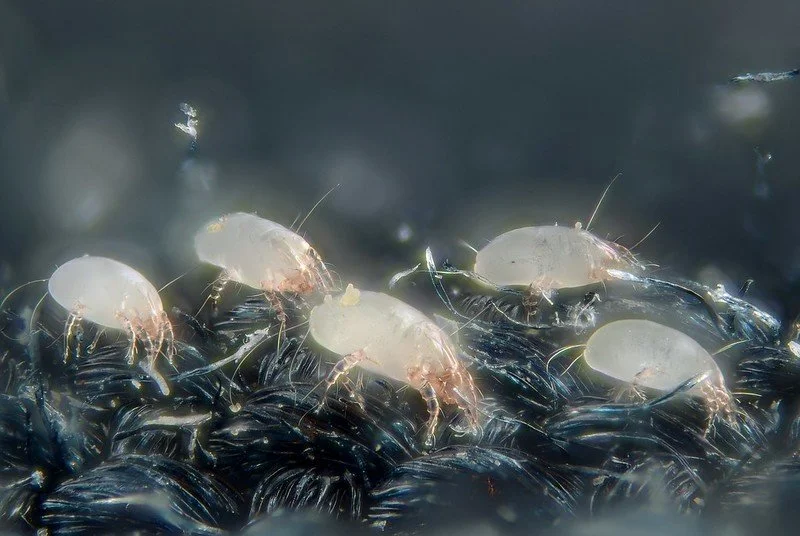
Microscopic view of dust mites. Photo credit: Gilles San Martin
Dust mites are microscopic organisms that:
Live in household dust
Thrive in warm, humid environments
Feed on dead human skin cells
Are invisible to the naked eye
The real problem isn't the mites themselves, but their waste and decomposed body parts — both of which trigger strong allergic reactions and asthma symptoms in sensitive individuals.
Why Dust Mites Trigger Asthma
Dust mites produce allergens that:
Inflame the airways in people with asthma
Can worsen night-time symptoms due to bedroom exposure
May lead to persistent cough, wheezing, and chest tightness
Can increase need for medication if exposure continues
GINA (2023) and CTS (2021) both recognize dust mite allergen exposure as a key risk factor in pediatric asthma exacerbations.
Where Do Dust Mites Hide?
Dust mites are most commonly found in:
Pillows and mattresses
Upholstered furniture and fabric sofas
Curtains and carpets
Plush/stuffed toys
Blankets and duvets
Bookshelves and clutter
Dust mites are not just in "dusty" places — they love soft, fabric-rich surfaces where they can settle and reproduce.
How to Minimize Dust Mites in the Home. Most importantly the Bedroom!
The bedroom is where children spend up to 10–12 hours a day, making it the most important and often overlooked place to control indoor allergens — especially dust mites, one of the most common asthma triggers.
Dust mites thrive in warm, humid, and fabric-rich environments, particularly in bedding, pillows, and carpets. While they’re too small to see, their waste particles are potent asthma triggers that can worsen night-time coughing, wheezing, or shortness of breath.
Here’s how to keep your child’s bedroom as asthma-friendly as possible:
1. Use Dust-Mite-Proof Covers
Encase pillows, mattresses, and box springs in allergen-proof, zippered covers.
These covers create a physical barrier between your child and the dust mites inside bedding materials.
Choose covers labeled “certified allergen-impermeable.”
2. Wash Bedding Weekly in Hot Water
Wash sheets, pillowcases, and blankets at least once a week in hot water (130°F / 54°C or higher).
High heat kills dust mites and removes their allergenic waste.
Avoid fabric softeners or scented detergents. Opt for fragrance-free products instead.
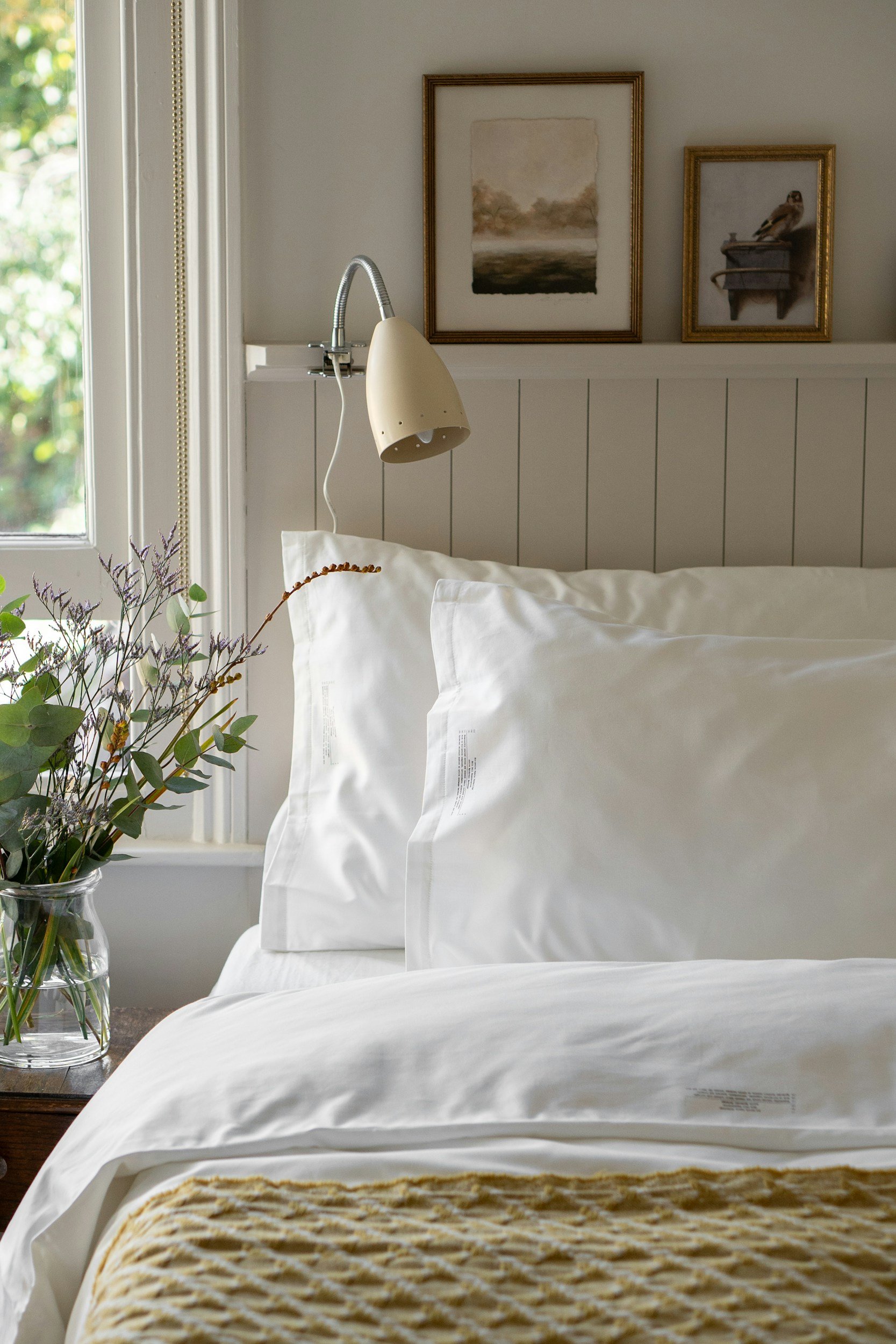
3. Minimize Soft Surfaces
Remove unnecessary stuffed animals, decorative pillows, and extra blankets from the bed.
If your child needs to sleep with a plush toy, wash it weekly or freeze it to kill mites.
Consider removing carpet and replacing it with hard flooring if possible.
4. Vacuum Smart
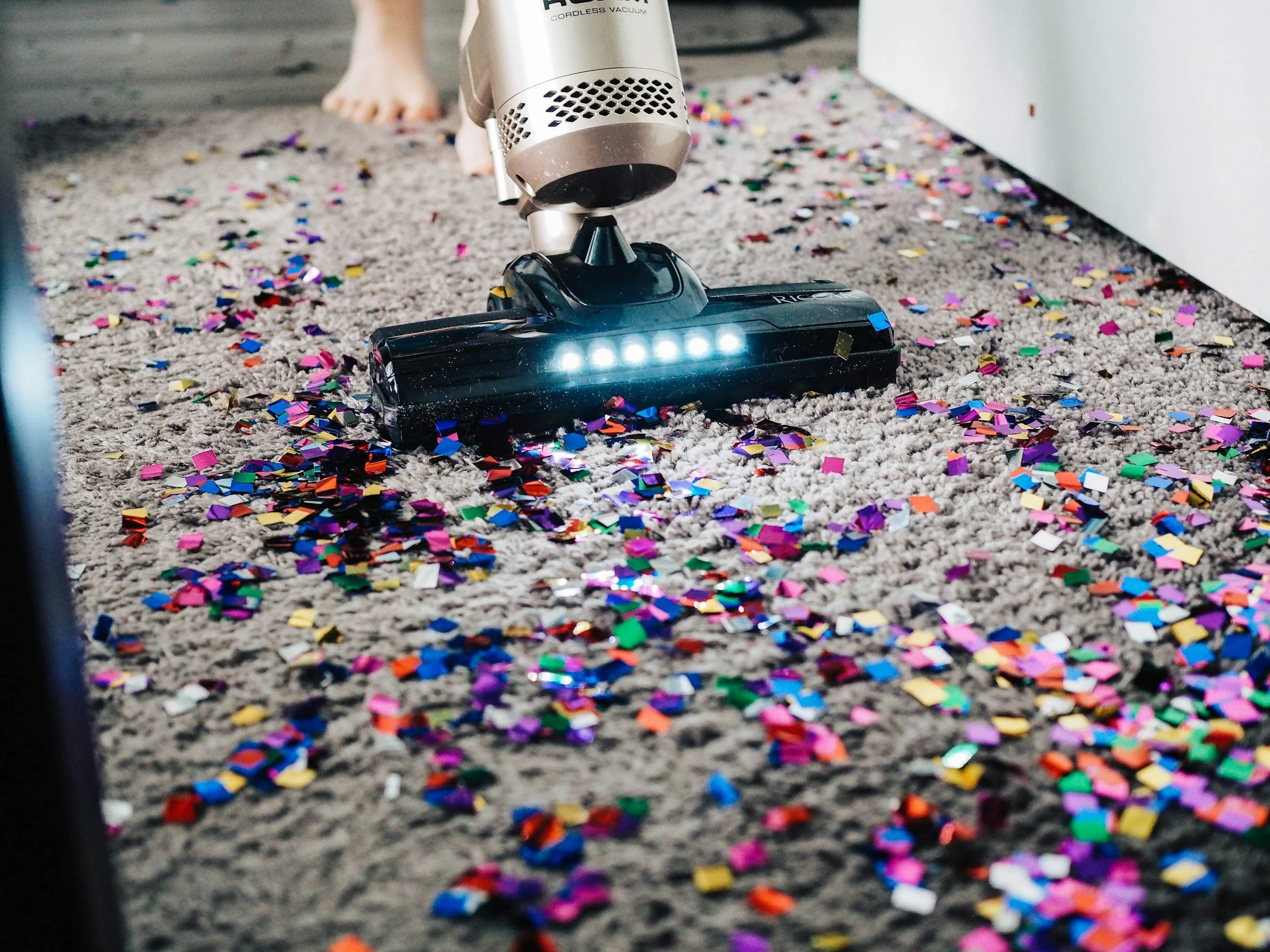
Vacuum carpets, rugs, and fabric furniture regularly using a HEPA-filter vacuum, which traps microscopic allergens.
Ordinary vacuums can actually release dust back into the air, so a HEPA filter is an essential part to minimizing dust mites in the home.
Vacuum under beds and behind furniture where dust collects regularly.
5. Control Humidity
Keep indoor humidity between 35% and 50% — mites need moisture to survive.
Use a dehumidifier if you live in a humid climate or if the bedroom feels damp.
Fix leaks or condensation issues around windows and walls.
Run ventilation fan in bathrooms before and after showers to help remove excess humidity in the home.
Newer homes come equipped with an HRV/ERV systems ( Heat Recovery Venting/Energy Recovery Venting). These systems can help with controlling excess humidity and improve overall air quality in the home by exchanging indoor air with outdoor air. Read more about that here
6. Keep Clutter to a Minimum
Fewer surfaces = fewer places for dust to collect.
Store books, toys, and clothes in closed containers or drawers.
7. Choose Hypoallergenic Materials
Choose synthetic pillows and duvets over feather or wool fillings.
Replace pillows every 1–2 years , even with covers, they accumulate allergens over time.
Avoid upholstered headboards, which trap dust more easily than wood or metal.
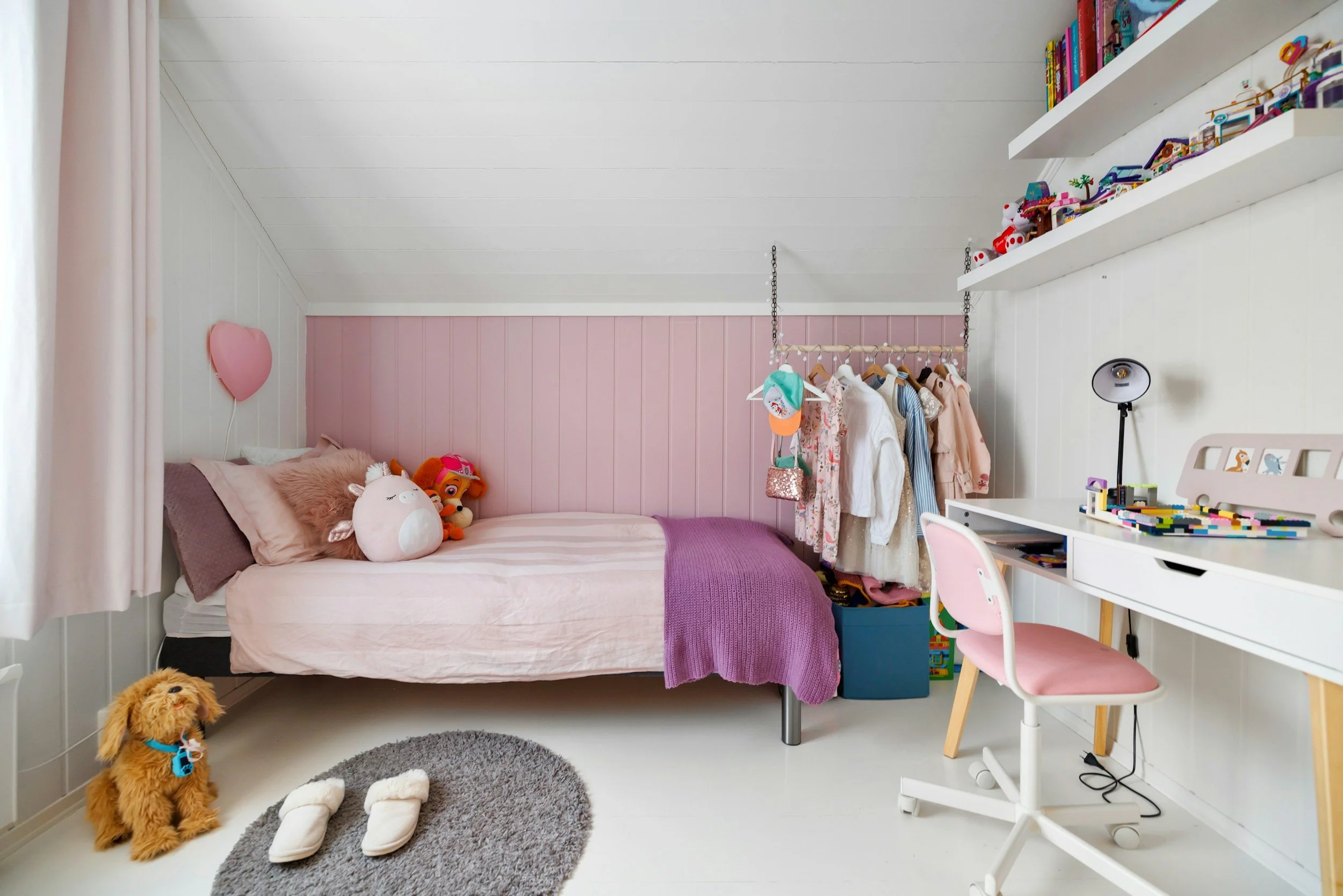
Plush surfaces such as decorative pillows, carpet and plush toys can be a hiding place for dust mites.
8. Regular cleaning routines and methods
Use a HEPA filtered vacuum weekly (especially on carpets and furniture)
Mop hard floors regularly.
Avoid wall-to-wall carpeting in bedrooms
Remove unnecessary fabric-covered furniture
Wipe flat surfaces weekly with a damp microfiber cloth (not a feather duster or dry rag).
Sweeping is not recommended as this stirs up dust and allergen particles and sends them into the air instead of removing them.
Experts from GINA and the CTS recommend wet-cleaning methods and HEPA filtration over dry sweeping for asthma-safe cleaning.
5. Sulfites and Food Additives
Some kids react to certain preservatives in foods—particularly sulfites used in dried fruits, sodas, processed meats, and juice concentrates.
What to check:
Read ingredient labels for E220–E228 (sulfites)
Avoid ultra-processed snack foods
Keep a food + symptom diary to track reactions
The CTS warns that food additives may be triggers in a small subset of children with asthma.
Bonus: Know the Signs of an Asthma Trigger
Keep an eye out for:
Coughing or wheezing right after exposure
Trouble breathing during specific activities
Nighttime symptoms that follow certain routines
Final Thoughts
Managing your child’s asthma doesn’t have to feel overwhelming. With the right tools, education, and support, you can create a safer, healthier environment for your family — one step at a time. If this article helped you take control of triggers in your home, imagine what you could do with a smart tool designed specifically for parents of children with asthma.
We're building something just for you — an easy-to-use asthma management app that puts everything in one place:
✔️ Personalized asthma action plans
✔️ Medication reminders
✔️ Symptom tracking
✔️ Trigger alerts based on local conditions
✔️ And resources just like this one
Be the first to try it out!
Join our waitlist and get early access + exclusive tips from children’s asthma experts.
Let’s breathe easier — together. 💙
