
Why Early Diagnosis of Asthma Matters for Lifelong Lung Health
Table of Contents
What Is Asthma, Really?
Why Early Diagnosis Makes a Big Difference
Signs of Asthma in Children and Teens
What GINA and CTS Recommend
How is Asthma Diagnosed in Young Children?
How Asthma Diagnosed Traditionally?
What if the tests are Normal?
Early Diagnosis = Healthy Futures
Real Talk: When to See a Doctor
Final Word for Parents
What Is Asthma, Really?
Asthma is more than just a cough or wheeze—it's a chronic condition that causes swelling in the airways. That means the tubes that carry air in and out of the lungs become tight, inflamed, and sensitive.
When not treated, asthma can lead to:
Difficulty breathing
Emergency hospital visits
Missed school or sports
Long-term lung damage

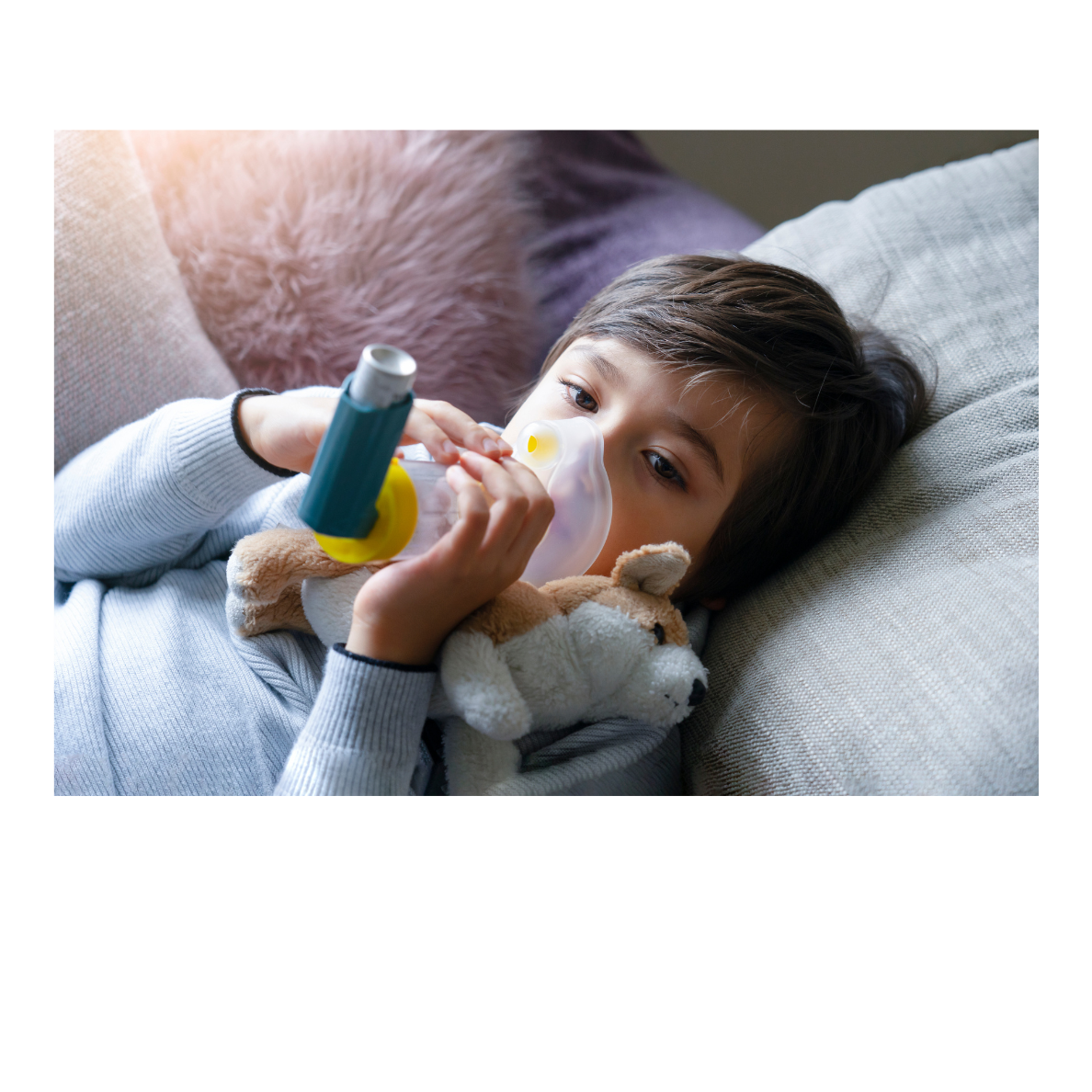
Ventolin MDI puffer, a common reliever medication used to treat Asthma
But here’s the good news: asthma is highly treatable—especially when caught early.
Why Early Diagnosis Makes a Big Difference
According to the Global Initiative for Asthma (GINA) and Canadian Thoracic Society (CTS), catching asthma early:
Stops permanent damage from happening to your child’s lungs.
Reduces flare-ups and hospital visits.
Helps children live active, normal lives.
Without a diagnosis, kids often suffer in silence or are mistaken for just having “bad allergies” or being “out of shape.”
“Looking back, all those ER visits were warning signs. I wish we had known earlier.”
— Parent quoted in CTS Child Respiratory Care, 2023
Signs of Asthma in Children and Teens
Not sure what to look for? These are the most common early signs of asthma:
Frequent coughing, especially at night or after playing
Wheezing (a whistling sound when breathing out)
Shortness of breath or heavy breathing during normal activity
Chest tightness (“It feels like an elephant on my chest,” some kids say)
Recurring bronchitis or “chest colds”
If your child is constantly reaching for their rescue inhaler or can’t keep up during gym class, it’s worth checking with your doctor.
What GINA and CTS Recommend
The experts agree: don’t wait if you suspect asthma.
GINA (Global Initiative for Asthma):
Use objective testing like spirometry (a breathing test) to confirm asthma.
Start controller medications (not just rescue inhalers) as early as possible.
CTS (Canadian Thoracic Society):
Be alert to repeated ER visits or missed school—they could signal untreated asthma.
Promote early use of inhaled steroids to protect the lungs.
How Is Asthma Diagnosed in Young Children?
Diagnosing asthma in children—especially those under the age of 5, can be challenging. Why? Because traditional tests like spirometry (which require deep breaths and hard exhaling into a device) are not reliable in younger children due to their age and limited cooperation.
So What Does the CTS Recommend for Kids Under 5?
The Canadian Thoracic Society (CTS) provides a specific approach for preschool-aged children (under 5 years) who are too young to perform lung function tests:

Diagnosis in Kids Under 5: A Clinical-Based Approach
For younger children, doctors rely on careful clinical observation and pattern recognition rather than just testing. According to CTS Pediatric Asthma Guidelines, the diagnosis is based on a combination of history, symptoms, response to treatment, and risk factors:
Key Clues Your Doctor Will Look For:
Recurring symptoms (wheeze, cough, shortness of breath, especially at night or with activity)
Pattern of symptoms (Do they improve with asthma medications like inhalers?)
Family history of asthma, eczema, or allergies
Known triggers (e.g., colds, smoke, pets, dust)
Clinical response to a trial of inhaled corticosteroids (ICS)
The “Trial of Treatment” Method
If your child has asthma-like symptoms, your doctor may recommend a trial of asthma treatment, such as:
Daily inhaled corticosteroids (ICS) for 2–3 months
As-needed reliever inhaler (e.g., salbutamol or Ventolin)
If your child’s symptoms improve significantly on medication—and worsen when the treatment stops—that’s a strong indicator that asthma is the cause.
CTS calls this an “observational diagnosis” using symptom patterns and treatment response.
(CTS Asthma Management in Preschool Children, updated guidance 2023)
What Isn’t Usually Done in Preschoolers?
❌ Spirometry: Not reliable in children under 5 due to poor coordination.
❌ FeNO testing (exhaled nitric oxide): Usually reserved for older children who can perform the test reliably.
❌ Chest X-rays or CT scans: Not typically needed unless another diagnosis is suspected.
If It’s Not Asthma, What Else Could It Be?
Doctors will also consider other conditions that may mimic asthma in young children:
Recurrent viral infections (common in toddlers)
Foreign body aspiration (inhaled small object)
Structural lung abnormalities
Gastroesophageal reflux (GERD)
Allergic rhinitis or sinusitis
The CTS recommends ruling these out before confirming an asthma diagnosis.
The Goal: Avoid Over-Treating, But Don’t Under-Treat
It’s a careful balance. Doctors want to avoid putting children on unnecessary asthma medications without
How Asthma is Diagnosed Traditionally
Diagnosing asthma is a little different from diagnosing something like an ear infection or strep throat — because there’s no single test that gives a quick “yes or no” answer. Instead, asthma diagnosis is like solving a puzzle: doctors will look at your child’s symptoms, do lung function tests, and check how your child responds to treatment.
Here’s how it usually works:
1. Symptom History
The first step is a conversation with your healthcare provider. They’ll ask about:
Coughing (especially at night or after activity)
Wheezing (whistling sound when breathing out)
Shortness of breath
Chest tightness
How often symptoms happen and what triggers them (e.g. exercise, cold air, dust, pets)
They'll also want to know:
Any family history of asthma or allergies
Whether your child has eczema or hay fever (which often go hand-in-hand with asthma)
Why this matters: Asthma symptoms can come and go. A clear pattern helps doctors spot asthma even if your child isn’t wheezing at the visit.
2. Spirometry (Breathing Test)
This is the gold standard test for diagnosing asthma in children over 5 and adults.
What is spirometry?
It’s a simple, non-invasive test that measures:
How much air your child can breathe out (volume)
How fast they can breathe it out (flow)
Your child will be asked to:
Take a deep breath in
Blow out as hard and fast as possible into a tube connected to a machine
This creates a graph of lung function. It shows whether the airways are narrowed/obstructed, which is a hallmark of asthma.
3. Bronchodilator Reversibility Test
To confirm asthma, the spirometry is usually repeated after giving a reliever inhaler (like salbutamol/Ventolin).
If lung function improves (more than 10%) after the inhaler, it confirms that the airways were obstructed and they responded positively to the effects of bronchodilator medication — and asthma is likely the cause.
GINA and CTS both emphasize that this improvement after a reliever is a key marker of asthma.
4. Peak Flow Monitoring (Sometimes Used at Home)
In some cases, your doctor may ask you to use a peak flow meter at home. This small handheld device measures how fast air comes out of the lungs. Although this method is becoming less prevalent as it is difficult to assess for technique and consistency. It is highly effort/technique dependant to getting accurate results.
You’ll be asked to:
Record peak flow numbers every morning and night for 2–3 weeks
Note any changes with symptoms or triggers
If the numbers vary a lot from day to day (known as “variability”), that supports a diagnosis of asthma.
5. FeNO Testing (Advanced)
Some clinics also offer a FeNO test — which measures the amount of inflammation in the lungs through a breath sample. This method is not very common and usually only offered by specialists but it is helpful to be aware of for future testing options.
High FeNO levels suggest eosinophilic airway inflammation, a common type in asthma.
Helpful in uncertain cases or when planning treatment.
What If the Tests Are Normal?
Asthma symptoms can sometimes be absent on the day of testing. That’s why GINA and CTS recommend:
Repeating the tests at a later time, especially during symptoms.
Doing a trial of asthma treatment — such as using a steroid inhaler for a few weeks to see if symptoms improve.
Monitoring response to medication over time.
Alternatively, for some people who are having reoccurring asthma symptoms but have normal spirometry results, their doctor might send them for alternative testing such as a Methacholine Challenge or Exercise Challenge Testing to rule to rule out an Asthma Diagnosis.
Exercise Challenge Test
Exercise testing for asthma, known as an exercise challenge test, involves measuring lung function with a spirometer before and after intense exercise on equipment like a treadmill or exercise bike. This helps diagnose exercise-induced bronchoconstriction (EIB) by detecting a significant drop in airflow caused by exercise-induced narrowing of the airways. The test also measures oxygen levels and heart rate during exercise, with a specialist monitoring the individual throughout the process to ensure safety.
Methacholine Challenge Testing
If asthma is suspected but regular breathing tests like spirometry come back normal, your doctor may suggest a methacholine challenge test. In this test, your child inhales a mist containing a substance (methacholine) that can trigger mild airway narrowing only in people with asthma.
Breathing is measured before and after each dose to see how the lungs respond. If lung function drops significantly, the test is considered positive for asthma. It’s a safe and carefully monitored test, usually used in children over age 6 when diagnosis is uncertain.
Key Takeaway for Parents
Traditional asthma diagnosis isn’t just about one test, it’s about combining symptom patterns, breathing tests, and how your child responds to medications. If your child:
Has ongoing breathing symptoms, AND
Shows improvement with asthma medications,
then asthma is very likely, even if the first test is inconclusive.
“In children over age 5, spirometry with bronchodilator testing is the gold standard. But diagnosis still depends on the full picture.”
— CTS Clinical Practice GuidelineEarly Diagnosis = Healthy Futures
Studies show that when asthma is diagnosed and treated early:
Kids sleep better, improving focus, energy and overall quality of life.
They can play sports and keep up with friends without fear of an asthma attack.
Kids will do better academically and socially. Asthma is a leading cause of chronic absenteeism from school. Frequent absences are associated with poorer academic outcomes, making it harder for children with asthma to keep up with lessons.
Their lungs grow stronger and healthier over time by addressing and treating inflammation caused by Asthma.
“The earlier we start treatment, the better the long-term outcomes.”
— GINA 2024 Asthma Guidelines
Real Talk: When to See a Doctor
Knowing when to make an appointment with your doctor is key to getting the support you need.
Book a check-up if your child:
Coughs more than 3 weeks in a row
Is waking up in the night coughing
Struggles to catch their breath after playing
Has frequent chest infections
Has a family history of asthma or allergies
And if you’ve already been to urgent care a few times for breathing issues? That’s your cue.
Final Word for Parents
No one wants to hear that their child has a chronic condition—but Knowledge is Power!. The more you know, the better you can advocate, look for support and help your child feel their best. Asthma doesn’t have to hold your child back. In fact, with the right diagnosis and care, they can run, jump, swim, and laugh just like everyone else.
This is why Thrive Pulmonary Health was founded.
We believe every family deserves tools and knowledge to manage asthma with confidence. That’s why we’re developing easy-to-understand educational resources and an asthma support app designed just for parents, caregivers, and families. Join our waitlist so you’ll know when our education resources become available to help guide you on your Asthma Journey.
Be the first to:
Access step-by-step guides, printable tools, and courses.
Get early access to our asthma tracking app
Receive expert tips for managing asthma at home and school
Join a community of families walking the same journey
Sign up for our waitlist today — and take the first step toward empowered asthma care.
